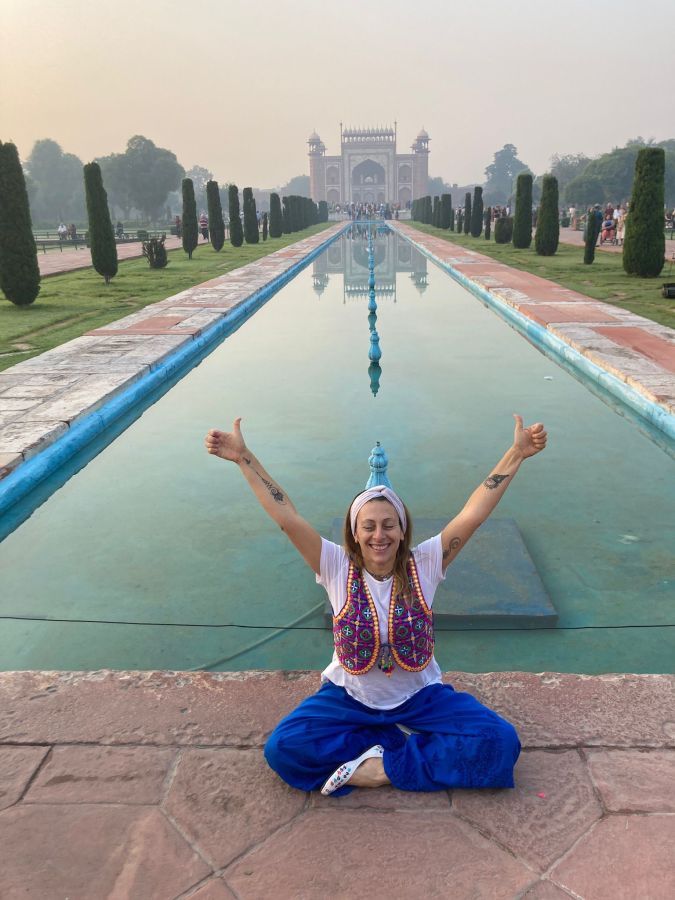
200-Hour Kundalini Yoga Teacher Training in India

-
Location
India, Rishikesh - Patanjali school
-
Duration
21–28 days
-
Style
Immersive daily practice, theory, and integration
-
Certification
Yoga Alliance 200-Hour Certified
-
SCHOOL


Teacher Training Program, provides a comprehensive 200 hours certification.
It focuses on teaching Kundalini Yoga as taught by Yogi Bhajan.
The awakening of Kundalini is considered powerful due to its transformative potential, enabling us to realise and harness our full inner strength and wisdom. This concept is central to certain yoga and spiritual traditions and represents the potential for human consciousness expansion and transformation.
This training is open to all levels—whether you’re new to Kundalini Yoga or looking to deepen your personal practice and begin teaching. A willingness to learn, grow, and engage fully is all that’s required.

Key Features:
The training covers the theoretical and practical aspects of Kundalini Yoga, including kriyas (sequences of exercises), meditations, and the underlying principles of Kundalini Yoga. It covers anatomy and physiology, as well as the spiritual and energetic aspects of the practice.
Comprehensive education on the philosophy, principles, and techniques of Kundalini Yoga
Curriculum Overview
- History and evolution of Kundalini Yoga
- Key concepts: Kundalini energy, the Ten Bodies, the Subtle Body
- The role and responsibilities of a yoga teacher
- Yogic philosophy: The Eight Limbs of Yoga (Ashtanga)
- Living consciously: ethics, service (seva), and yogic discipline
- Daily kriya and meditation sessions
- Breathwork: Breath of Fire, Long Deep Breathing, Alternate Nostril etc
- Mantra: use in meditations
- Bandhas (body locks) and Mudras (hand gestures)
- The use of sound and rhythm (e.g., gong, drum, or voice)
- Guided deep relaxation and yogic sleep
- Chakra system: qualities, imbalances, and awakening
- Nadis (Ida, Pingala, Sushumna) and pranic flow
- Aura and energy field awareness
- Meditation styles: silent, rhythmic, breath-based, and mantra-based
- Introduction to 40-day personal practice (students complete this post-training)
- Daily routines (Dinacharya) and self-discipline (Tapas)
- Yogic diet principles: sattvic nutrition and mindful eating
- Cleansing and purification practices (e.g., neti, tongue scraping)
- Silence, rest, and inner reflection practices
- Integration of yoga into daily life
- How to structure and sequence a Kundalini class
- Clear cueing, posture setup, and safe modifications
- Holding space, presence, and class timing
- Practicum: each trainee teaches a full 60–75 minute class with feedback
- Basic understanding of major body systems (nervous, endocrine, respiratory)
- How kriyas affect the glands and nerves
- Physical safety, alignment, and injury prevention
- The connection between breath, brain, and emotional regulation
- Reflective journaling and group sharing circles
- Reading assignments (e.g., The Aquarian Teacher, selected kriya manuals)
- Tools for continuing personal practice after training
Sample Daily Schedule
Morning sadhana (chanting, kriya, meditation) | ||
Tea break + silence | ||
Kundalini Yoga practice | ||
Breakfast | ||
Lecture (philosophy, anatomy, teaching) | ||
Lunch + rest | ||
Practicum or group work | ||
Meditation/mantra/gong bath | ||
Dinner | ||
Optional journaling, kirtan |